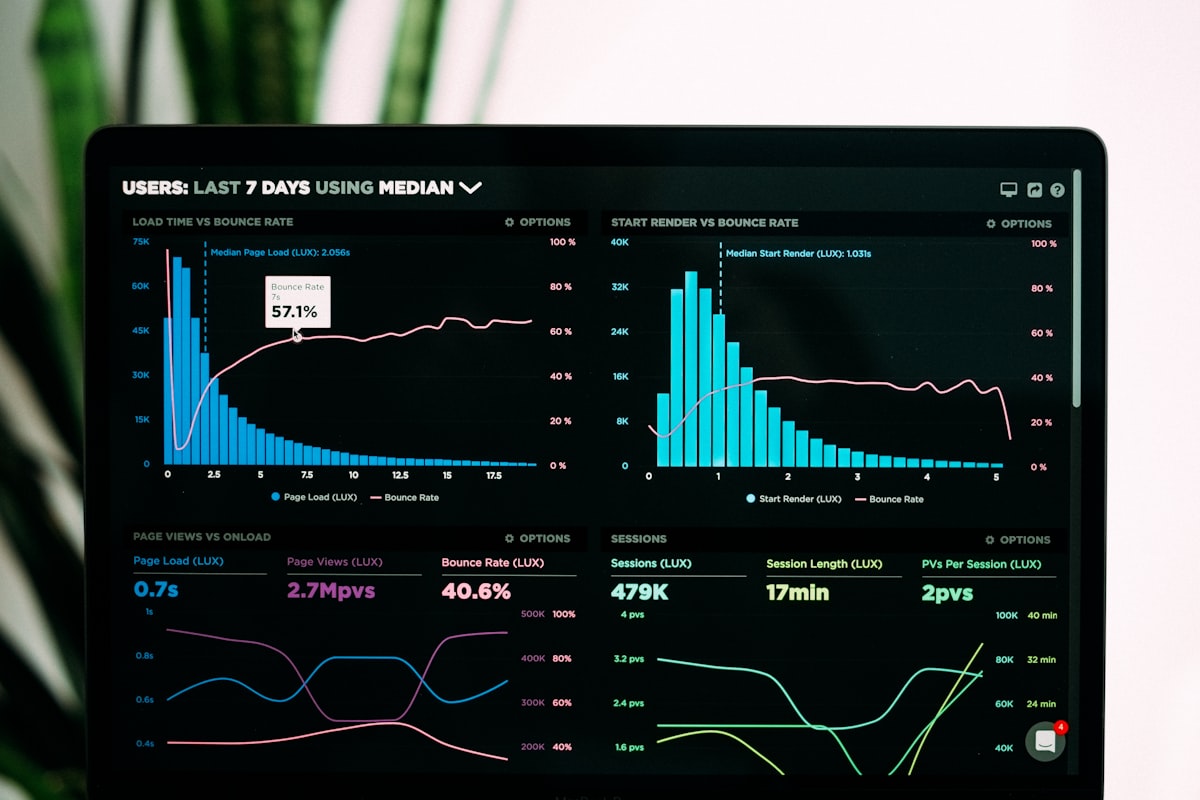
In the digital economy, time is not just money—it is the very fabric of user trust and conversion. For the modern business owner, "page speed" is often perceived as a technical vanity metric, something for the developers to worry about in the background. However, the reality is far more brutal. Every single millisecond of latency acts as a direct tax on your conversion rate, a friction point that pushes potential customers away and erodes your brand's authority. If your website takes more than three seconds to load, you aren't just losing traffic; you are actively subsidizing your competitors.
The relationship between performance and revenue is linear and unforgiving. As we delve into the mechanics of Web Performance Optimization (WPO), we must move beyond simplistic "speed tests" and explore the foundational architecture of the modern web. From the initial DNS lookup to the final paint of the Largest Contentful Paint (LCP) element, a complex orchestration of protocols, hardware, and software must execute with surgical precision. Failure at any level of this stack results in abandoned carts, lower search engine rankings, and a catastrophic drop in Return on Ad Spend (ROAS).
In this comprehensive technical analysis, we will deconstruct the science of speed. We will examine the critical role of Time to First Byte (TTFB), the intricate maneuvers of the Critical Rendering Path (CRP), the strategic deployment of Content Delivery Networks (CDNs), and the psychological impact of perceived vs. actual performance. By the end of this guide, you will understand why WPO is not an optional "nice-to-have" but the single most important investment in your digital sales engine.
1. The Foundation: Time to First Byte (TTFB) and Server-Side Efficiency
The journey of a web page begins with the measurement of Time to First Byte (TTFB). If your TTFB is high, no amount of front-end optimization can fix the underlying latency.
The Anatomy of a Server Response
High TTFB is usually a symptom of network latency, server processing time, and unindexed database queries. Implementing full-page caching (Nginx FastCGI/Varnish) and object caching (Redis) drops TTFB from seconds to mere milliseconds.

2. Navigating the Critical Rendering Path (CRP)
Optimizing the CRP is the art of prioritizing what the user sees first. Inlining critical CSS in the HTML <head> and deferring non-essential JavaScript via async and defer prevents blank-screen latency.
3. Strategic Content Delivery: CDNs and the Edge
A distributed Content Delivery Network (Cloudflare, AWS CloudFront) serves assets from edge Points of Presence (PoPs) closest to the user, eliminating middle-mile network latency and providing robust DDoS protection.

4. The Business Impact: When Seconds Turn into Millions
Walmart demonstrated that every 1-second improvement in load time generated a 2% lift in conversion rates. Furthermore, Google Ads rewards faster landing pages with higher Quality Scores and lower Cost Per Click (CPC).
5. Actionable Roadmap for Business Owners & CTOs
- Audit & Benchmark: Monitor real-world Chrome User Experience Report (CrUX) field data via PageSpeed Insights and WebPageTest.
- Next-Gen Media: Convert images to WebP/AVIF and enforce native lazy loading (
loading="lazy"). - Code Hygiene: Eliminate unused third-party pixels and implement code-splitting.
- High-Performance Infrastructure: Deploy NVMe-backed cloud instances with HTTP/3 QUIC enabled.

6. Conclusion: Speed is the Ultimate Competitive Advantage
Speed is an essential pillar of Growth Engineering. At Agencia Cohete, we engineer ultra-fast web architectures designed to dominate search rankings and maximize conversion rates. Learn more about our High-Speed Web Development Services.